
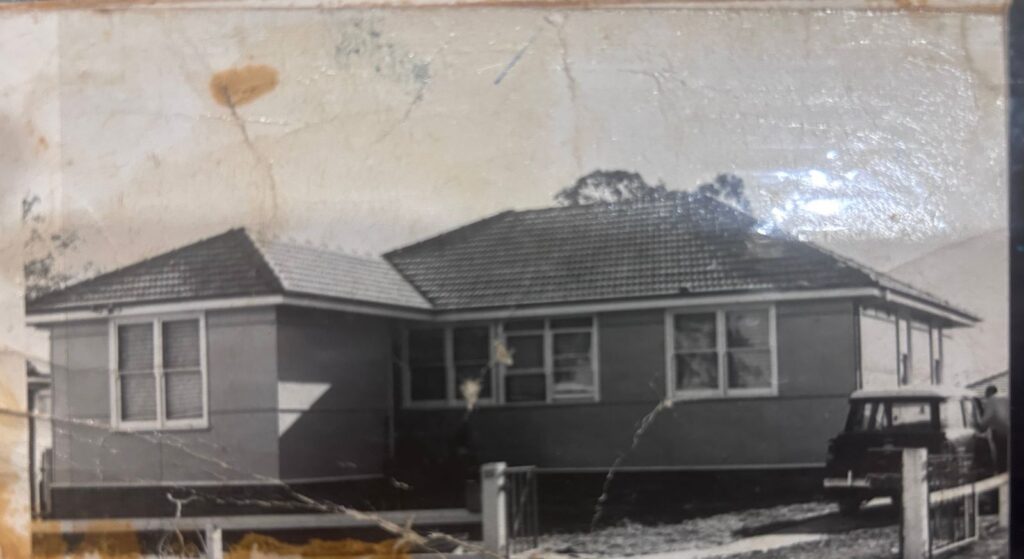
When New Wasn’t Normal; Back in the day, a photo like this captured a moment but it also captured a mindset. Simpler times, sure, but everything had to be the harder way. No Afterpay. No First Home Owners Grant. Limited finance options. Just grit, savings, and sweat.
Today, we still work hard but we’ve also got smarter ways to get what we need. From house and land packages, mortgage offsets, new 4WD, fancy caravans and boats to new machinery, finance can bridge the gap between dreaming and doing.
The old days gave us the stuff. Now we’ve got options.
What’s something from the past you still value today?
When New Wasn’t Normal, and Credit Wasn’t a Concept
What the Past Can Teach Us About Value, Ownership, and Modern Finance
Once upon a time, new wasn’t the goal. It wasn’t expected.
You fixed what broke. You borrowed from neighbours not lenders. And when something finally arrived in your life like a vehicle, a piece of machinery, or a block of land, it meant something more. You’d waited for it, worked super hard and long for it, and sacrificed other comforts to make it happen. Yeah, we could still be making small sacrifices today but back then was a different story. That’s what ownership looked like before credit became a concept.
A Culture Built on Patience, Grit, and Ingenuity
In the early to mid-1900s life was defined more by practicality. You used what you had and if you needed something you didn’t have it was too bad, you reused what others discarded and only upgraded when something was completely beyond repair.
Credit and spending beyond you’re your pay wasn’t an option. It wasn’t about being frugal it was simply reality. Many people lived from pay to pay, job to job, with little security but deep resourcefulness. These days many still live from pay to pay, job to job, with little resourcefulness but there’s more assistance.
Everything was built to last, not just the things, but the relationships with people. And while the modern age has brought convenience, people have lost a bit of that care factor and resilience along the way.
That’s not to say the past was better, it was just different if you still hear the stories as some of the older generation share. Harder in many ways, slower in most, but it left people deeply connected to what they owned. A car or truck wasn’t a status symbol. It was a tool. An investment. Sometimes even a lifeline.
The Shift: From Delayed Gratification to Instant Access
The rise of consumer credit in Australia began in earnest in the 1950s and 60s, and it changed everything. Buy now, pay later became a reality over these last few years and with it, came a cultural shift.
New became normal.
The ability to borrow opened doors: families could afford homes sooner; business could invest in better equipment and scale up. Over time, though, it also changed our relationship with value. We no longer needed to wait as long. And as a result, we often stopped asking whether we truly needed something or whether we could make what we had last just a little longer.
Finance went from being a tool of growth to a path of convenience. In some cases, that convenience became a trap. We now live in a world where credit cards, personal loans, and buy-now-pay-later schemes are marketed more aggressively than the products they’re used to buy.
But here’s the twist: finance isn’t the enemy.
Credit Isn’the Problem. How We Use and How We Get It Is
Finance, used wisely, can still reflect the values of the past: hard work, ownership, and legacy. The goal isn’t to romanticise struggle or suggest that people today should just save harder. The cost of living, home prices, and business expenses have outpaced wages in many industries. Waiting isn’t always possible. And it shouldn’t have to be.
What matters is how we choose to obtain and use finance and repay.
Smart finance doesn’t fuel impulse. It fuels growth. It funds the equipment that keeps a business afloat. It gets the tradie out of the unreliable ute and into something roadworthy that won’t leave him stranded before a job. It gets the farmer a new harvester before the next season. It lets a young couple move from renting into ownership. It bridges the gap between now and next.
Finance is a tool and like any tool, its value depends on how it’s used.
What We Can Learn from the Old Days
Even in a world of instant approvals and one click purchases, the mindset from decades ago still holds incredible value:
- Own What You Buy
Too often today, we lease, rent, or subscribe to things we never actually own. Ownership, full, real ownership, gives you security and options. It’s why choosing the right finance matters. It’s not just about low rates. It’s about pathways to ownership that actually serve you and protect you.
- Fix What You Can Before Replacing
This doesn’t just apply to tools, it applies to habits, budgeting, and even how we approach business. Ask: is this finance going to improve my position long term or am I covering cracks I haven’t addressed and digging myself a deeper hole.
- Wait for the Right Time, Not the Right Offer
Just because something is available now doesn’t mean it’s right for you. Make decisions based on your goals, not marketing. That patience? Still a superpower.
That bank or dealership, it’s an application taker. Finance should be a meaningful conversation.
- Buy What You Need, Not What You Can Get
In the old days, people knew the difference between a want and a need. Today, the lines are blurred by social media and lifestyle pressure. Finance should help meet your needs first not finance your neighbour’s expectations. We love helping others achieve their goals for a new car with car finance or a new caravan with caravan finance, but we make sure the repayment and terms suit your needs, we don’t just take an application and get you what ever we can. Thought, care, and consideration for your future goes into our work when we work with clients.
Why the Right Finance Partner Matters
Back then, people leaned on their neighbours, their local mechanic, their mate at the co-op. Trust mattered. You didn’t just walk into a dealership and hope for the best, you had someone who’d give it to you straight.
That’s still possible today. At Thrive Broking, we’ve built our entire approach on that same idea: trust, transparency, and tools that work for you. We’ll help build up others and their legacy.
We know how important it is to feel like someone’s in your corner, especially when you’re making big decisions. We take the time to understand your goals, your values, and your story. Not just your credit score.
Some people identify as cats and rabbits these days, well we identify as transparent.
Because we know it’s not just about numbers on paper. It’s about what that finance approval means to you and your future.
The Modern Legacy: Blending the Old with the New
There’s beauty in old homes and sheds full of rusted tools and memories. But there’s also power in knowing you don’t have to do it all the hard way anymore.
We’ve got options our grandparents never had. But that doesn’t mean we have to lose their wisdom. We can choose to finance smartly, own proudly, and build things that last, not just for ourselves, but for the generations to come.
So, when you see an old photo, remember it’s more than a picture. It’s a reminder that true value doesn’t come from how fast we get something but how much it means once we do.
I’m a finance specialist here to bring back something a little rarer:
Old-school integrity in a modern finance world.
I care deeply about the people I work with.
That’s not just talk, it’s the reason I built Thrive Broking. Relationships first.
Want to explore what modern finance looks like with old school integrity? Let’s chat. Real conversations, and options that actually work for you with a broker who passionately cares about making a difference. Select a Date & Time – Calendly